
by Ashley Rogers
Philadelphia, PA
For the last four years, the term “AI” has been inescapable. Capitalists and their corporate media write on and on about the “future of work,” cheerleading the promise of impending mass unemployment as an inevitable cost of “progress.” AI-generated slop fills every corner of social media with fake facts and hallucinatory images. Vulnerable people turning to AI for escape are being driven to harm or suicide by “AI psychosis.” Yet all we seem to hear from corporate politicians, business owners, and media pundits is that we cannot, and should not, do anything to stop it. “AI” is supposedly inevitable, and you will be trampled if you try to stand in the way of “progress.”
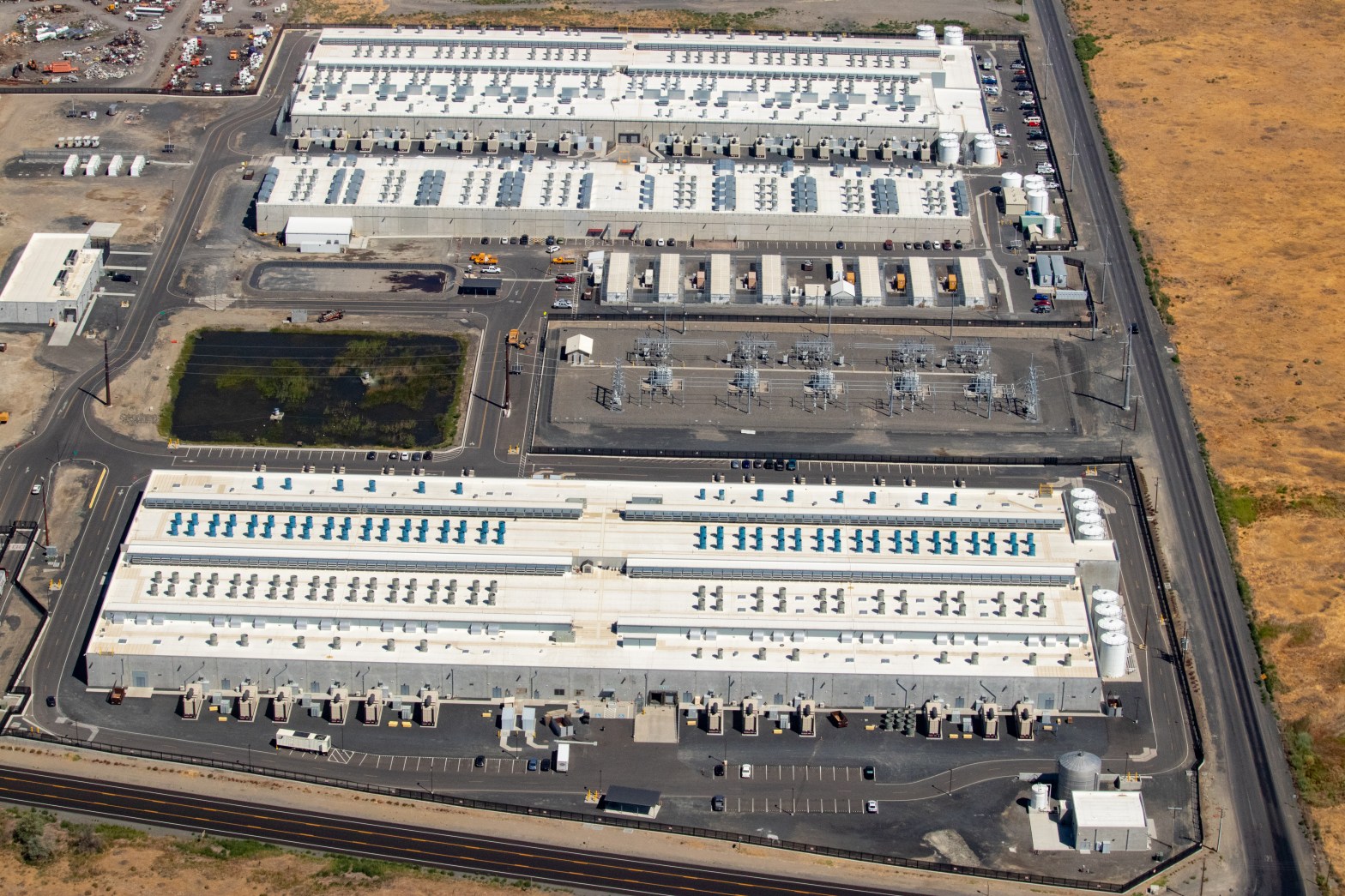
Massive data centers taking up thousands of acres are being constructed to house the servers to power this AI future. Tech companies spent over $425 billion on data centers last year. Driving yet more billions into construction has kept tech company stocks high. These data centers have little use outside of the current generative AI technologies, and in five or ten years, all the computers they house will have stopped working. In the meantime, these data centers are polluting the air and water of the communities they’re in. New data center construction has been met with protest movements from residents who don’t want to see their communities become home to these massive warehouses of power- and water-hungry computers, especially when these data centers have few jobs to offer once built.
Much of what is promised by “AI” is more hype than reality. Article after article from the corporate media asks if we are soon to be living in the future of The Terminator or The Matrix. The companies behind these technologies, like ChatGPT, use these comparisons to “dress up” what is in reality a very limited advancement by gesturing to what fiction says these technologies will be, rather than what they actually are.
Fantasies of artificial superintelligence and robot uprisings aside, there are still real harms. For sure, there are inherent limits to the technology. The information they return will never be completely accurate; the images and videos they produce will always have defects. And yet creative work that previously employed humans – writing, editing, translation, illustration – is increasingly being done by AI tools instead, where the low quality of the output is still “good enough” to justify companies laying off the workers who relied on this work to live. Even programming, a job considered in the last couple of decades to be a sure ticket to a high-paying career, is now seeing companies choose AI output for roles that would previously employ new workers just entering the field.
Aside from generative AI, other new automation technologies are being pushed further into workplaces. Amazon has been deploying robots to its warehouses. Autonomous cars and delivery robots are threatening the already precarious work of “rideshare” and delivery drivers. Entirely automated “lights-out” factories are being built for the electronics industry, with entire production lines running with little to no human intervention.
As the drive for automation has advanced, workers have time and again asked the question: if this new machine means products are made twice as fast, why can’t we work half as much? Automation has meant that humanity is now producing more goods than we could ever use. Smartphones, devices more complex and advanced than anything produced even fifty years ago, are churned out at a rate of over a billion per year.
But all of this wealth produced is appropriated by the capitalist class. The profits from all this automation cannot be put toward increasing wages and reducing the working week because they’re being used to mint new millionaires, billionaires, and now trillionaires.
Plenty of the technologies currently touted as “the future of work” appear to be no more than a stock market scam. A market crash is sure to follow, with the brunt of these capitalists’ losses put on the working class through layoffs, bailouts, austerity, and more. But the drive to automate will continue.
Worker control of production and research is vital to ensuring that the technologies being pursued actually help improve our lives. The struggle for socialism is essentially a struggle for workers to have control over their own labor and for democratic planning of production and distribution of products and services that we need. Public ownership of energy, tech, and transportation-related industries would be a first step in the working class gaining control over AI and automation, including decisions to make sure that the infrastructure needed is designed and built to minimize harm to people and the environment. Increased production through automation should be used to increase our living standards and reduce our working day, rather than to further line the pockets of the capitalist class.

